

Efficient Fluid Management: It Starts with a Ball Valve
Our ball valve are reliable, efficient, and durable fluid control solutions designed for a wide range of demanding environments.


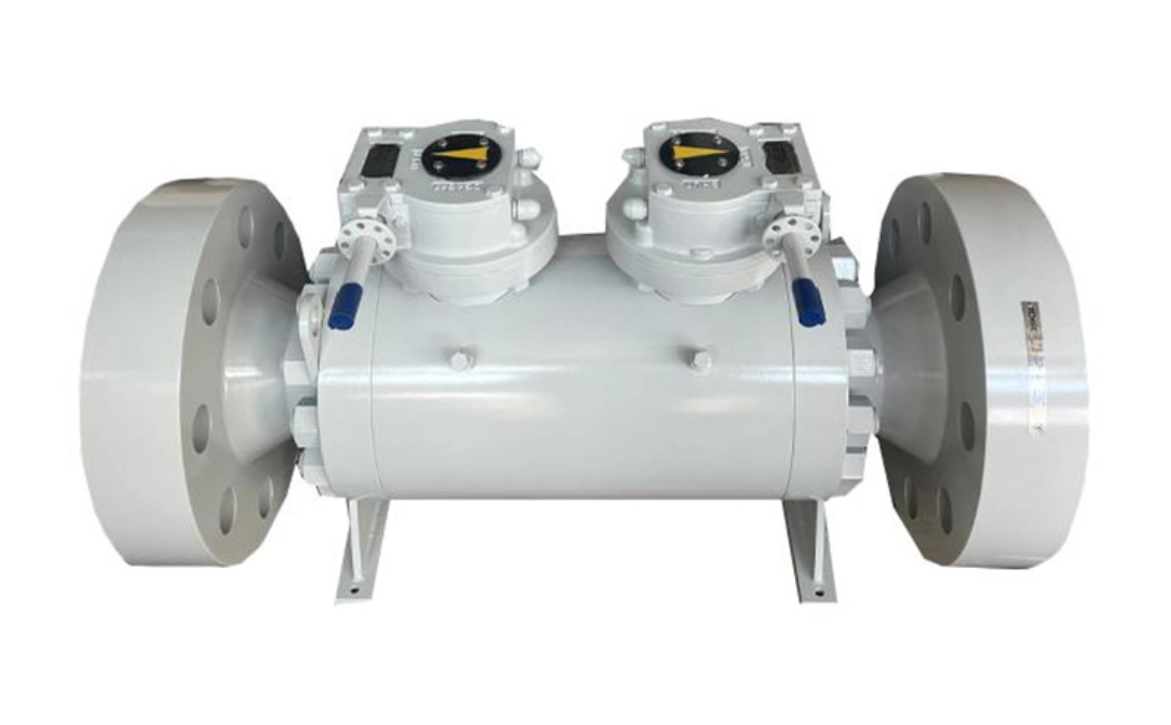
ball-valve Products Introduce
A ball valve is an essential component in modern industrial fluid control systems. Its core is a spherical body with a central bore. By rotating a handle, the ball can be turned 90 degrees to achieve quick on-off control of fluid flow. This simple operation, superior sealing performance, and low fluid resistance make ball valves widely used in industrial pipelines, public utilities, and residential and commercial systems. Our product range includes various types, such as trunnion, floating, flange, threaded, three-way, as well as specialized cryogenic and double block and bleed (DBB) ball valves, ensuring we can meet the needs of diverse and complex applications.
ball-valve Product Advantages
Superior Sealing & Fast Operation
Utilizing high-quality sealing materials like PTFE, our ball valves provide reliable, leak-proof protection. Their quarter-turn (90-degree) design allows for quick response and precise control of fluid flow.
Durability & Reliability
Our ball valves are constructed from robust materials like SS316, brass, or PVC, offering excellent resistance to corrosion and wear. They ensure long-term, stable operation whether handling water, oil, natural gas, or various chemicals.
Versatility & Customization
In addition to standard full-port valves for maximum flow, we offer a variety of specialized products. Three-way ball valves provide multi-directional flow control, cryogenic valves are designed for extreme temperature environments, and DBB valves offer added safety for critical applications.
Application
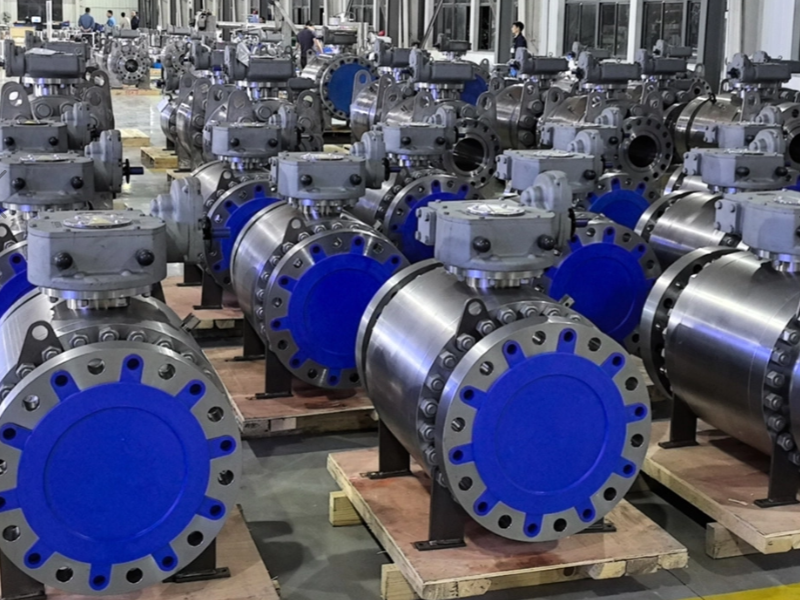
Mud And Water System
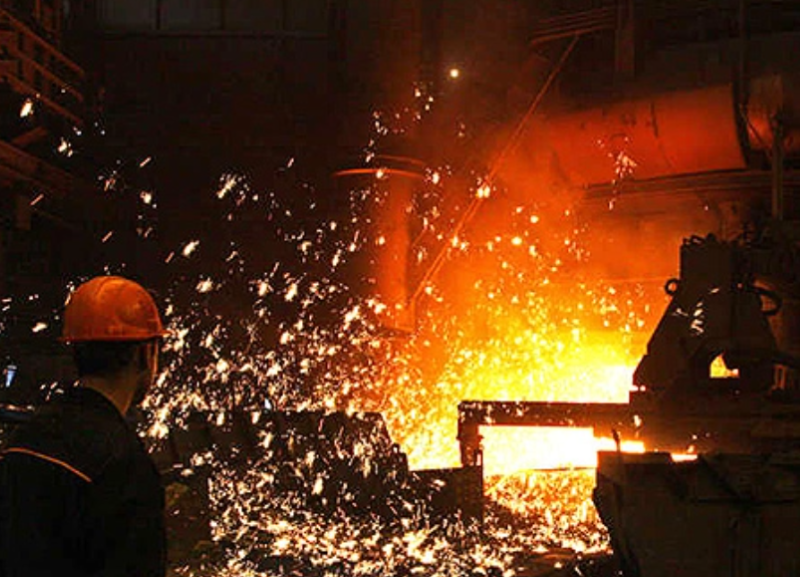
Steel Industry
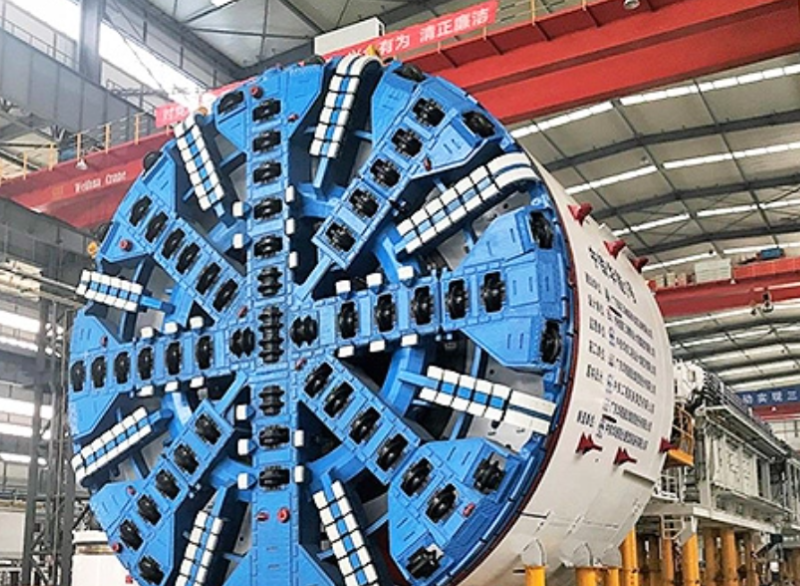
Petrochemical Industry

Company Advantage
Comprehensive Technical Expertise
Our team offers professional guidance on product selection, technical consultation, and solution development. We provide full on-site support for installation, debugging, and maintenance.
Rapid & Localized Response
We operate 24/7 to ensure you get timely support whenever you need it. Our local service centers in major markets allow us to provide quick on-site assistance.
End-to-End Custom Solutions
We provide fully customized services, from design to production, to meet your specific needs. We can also upgrade or transform your existing valves to improve system performance.
Rigorous Quality Control
Our commitment to quality is upheld by stringent testing and inspections at every stage of production. From raw materials to the final product, we ensure every valve meets the highest safety and performance standards before it reaches you.
Contact Us
Boasting a team of seasoned experts, while offering technical assistance and comprehensive one-stop solutions to the global marketplace.
FAQ
Why is my ball valve leaking?
Leakage is often caused by damaged internal seals or improper installation. Check for damage and ensure the valve is properly torqued for your system's pressure.
Why is the valve difficult to turn?
How do I choose the right valve material?
What's a typical lifespan?
Does the valve require maintenance?
Related Blogs

Ultimate Guide To Wafer Butterfly Valve Tips And Tricks
A small installation mistake can cause major valve problems. Poor sealing or restricted movement may lead to costly downtime. A Wafer Butterfly Valve uses a quarter-turn disc to control flow between pipeline flanges. Its compact design suits water treatment, HVAC, and industrial piping systems. However, incorrect sizing can cause flange mismatch and disc interference. Poor installation may also lead to leakage and premature seat wear. Reliable performance requires more than a well-designed valve. Proper selection, careful installation, and regular maintenance all matter. This guide shares practical tips for preventing common problems. You'll learn how to improve installation accuracy, operating efficiency, and valve service life.
Read More
Understanding The Function And Benefits of Swing Check Valve
Reverse flow can silently damage pumps and disrupt pipeline operations. It may also cause unwanted fluid movement and costly shutdowns. A Swing Check Valve prevents backflow through a simple hinged-disc mechanism. It opens during forward flow and closes when flow reverses. This automatic operation requires no external power or manual control. Its main benefits include low flow resistance and reliable backflow protection. However, performance depends on proper sizing, stable flow, and correct installation. Understanding these factors helps you avoid common valve selection mistakes. You'll learn how the valve works, where it performs best, and what limits its effectiveness. These insights can help you choose the right valve for your pipeline.
Read More
Swing Check Valve Installation Tips To Prevent Flow Issues
A poorly installed Swing Check Valve can disrupt flow and damage downstream equipment. Even the right valve may fail when installed incorrectly. Its hinged disc opens under forward pressure and closes when flow reverses. Incorrect orientation or turbulent piping can prevent reliable operation. These problems often cause restricted flow, disc chatter, reverse leakage, and water hammer. They can increase maintenance costs and shorten equipment life. Proper installation starts with understanding the valve's position and operating conditions. You'll learn how to check flow direction, pipeline placement, sizing, and mechanical connections. We'll also cover commissioning checks and practical troubleshooting methods to prevent recurring flow problems.
Read More
Ball Valve Leakage: Common Causes And Solutions
A leaking Ball Valve can waste fluid, reduce pressure, and damage expensive equipment. Even minor leaks may create serious safety risks in industrial systems. The ball and seats control internal flow, while stem packing and body connections prevent external leaks. Internal leakage allows fluid through a closed valve. External leakage releases fluid into the surrounding environment. Finding the exact leakage point is essential for choosing the correct repair. Each failure requires a different approach to restore reliable sealing. This guide explains common leakage causes, practical repair methods, and preventive maintenance. You'll also learn when repairing a valve makes sense and when replacement is necessary.
Read MoreGet Touch With Us

Contact Info
+86-13063828080
sale@kizivalve.com
