


Views: 0 Author: Site Editor Publish Time: 2026-04-22 Origin: Site


A swing check valve lets water or other fluids go one way. It works like a door that opens when you push but shuts if you pull. People use this valve to keep plumbing safe and working well. It stops water from going backward, which can hurt pipes or machines. In power plants and other fluid systems, this valve also stops pressure jumps and keeps things running well. Suzhou Kizi Valve Co., Ltd. makes swing check valves you can trust at home or work.
A swing check valve lets fluid move in only one way. It stops fluid from going backward and hurting pipes or systems.
These valves are very important in many places. They are used in plumbing, wastewater treatment, and power plants. They help fluids move safely and work well.
Picking the right swing check valve can help save energy. It can also lower repair costs because it is simple and has fewer parts.
To stop problems like valve slamming, pick valves with special features. These features help the valve close smoothly and stop sudden pressure changes.
Check and take care of your swing check valve often. This helps it last longer and work well in your system.
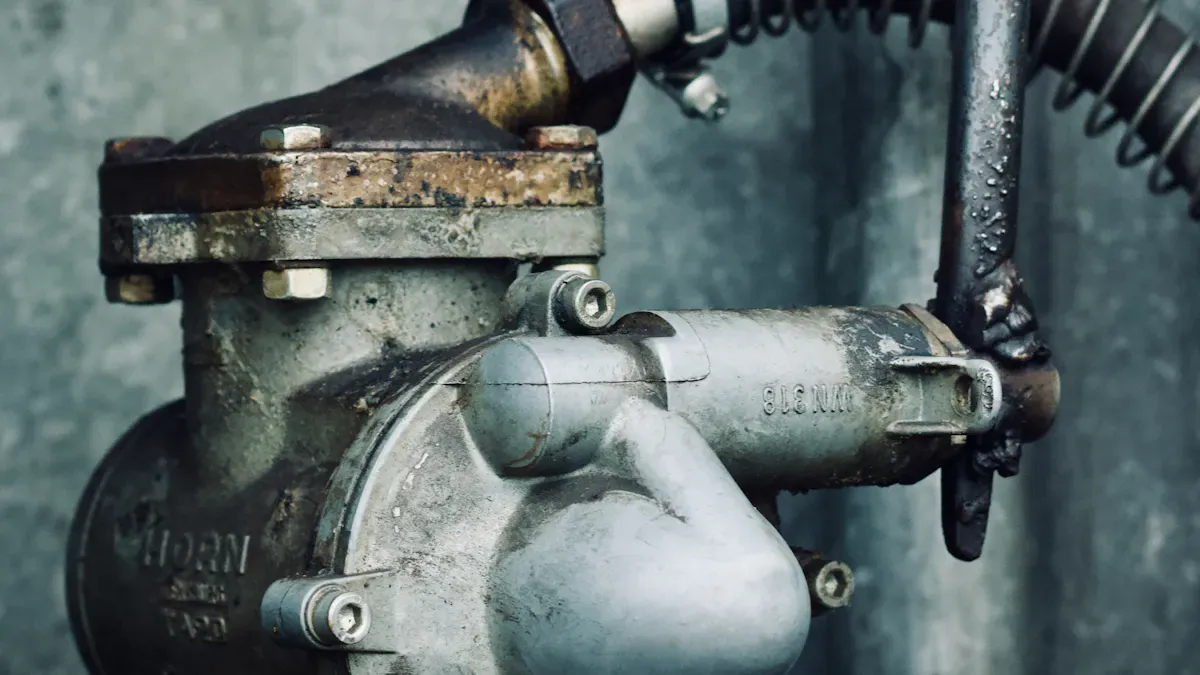
A swing check valve helps control which way fluid moves in pipes. It lets water or gas go forward but blocks it from going back. Think of it like a gate that opens when fluid pushes from one side. If fluid tries to move the other way, the gate closes and stops it. This keeps your plumbing safe and working right.
Suzhou Kizi Valve Co., Ltd. is a trusted company that makes swing check valves. You can use their valves at home, at work, or in big factories. Swing check valves are important in many fluid systems. They stop backflow, handle strong flow, and work in places like power plants, gas pipelines, oil refineries, and water treatment plants.
Tip: Swing check valves are good for cooling towers, water lines, and gas meters. They help your system stay safe and work well.
Here is a table that shows what a check valve does in fluid systems:
Function/Application | Description |
|---|---|
Prevents backflow | The disc swings back and closes to stop fluid from going the wrong way. |
High horizontal flow management | Works well when fluid moves fast sideways, letting it pass when open. |
Used in power plants | Silent check valves help control fluid in cooling towers and other places. |
Natural gas transmission | Stops leaks or fires by making sure gas flows the right way in pipes and meters. |
Oil and gas refineries | Non-slam check valves help stop water hammer in refinery pipes. |
Ideal for wastewater treatment | Used in places with lots of fluid and steady pressure, like water pumps. |
A swing check valve has a few main parts inside. These parts work together to let fluid move one way only. The main parts are the valve body, disc, hinge, and seat. The disc swings on the hinge and closes against the seat if fluid tries to go back.
Here is a table that lists the main parts and what they are made of:
Component | Description | Common Materials |
|---|---|---|
Valve Body | The main part that holds everything together | Ductile iron, carbon steel, stainless steel, bronze, PVC |
Disc | Swings open for flow and closes to stop backflow | Metal or rubber-lined |
Hinge | Connects the disc to the valve body | Metal, must line up with the seat |
Seat | Makes a seal when the disc is closed | Shaped for better sealing |
Stainless steel is used a lot because it does not rust. Brass is good for plumbing and heating because it is cheaper. Ductile iron is strong and not too expensive, so it is used in water systems.
New check valves have extra features. Some have full-bore designs to lower pressure loss. Some discs swing easily and last longer. Sealing seats can be metal or elastic for better sealing. Wafer swing check valves are small and close fast to stop water hammer. Tilting disc designs make more space for fluid and help it move better, so pressure drops less.
Note: You can pick a swing check valve with new features for faster action and better control. Suzhou Kizi Valve Co., Ltd. has these valves to make your system work better.
When you use a check valve in your plumbing or industrial system, you want fluid to move in only one direction. The swing check valve uses a simple swinging disc inside the valve body. When water or gas flows the right way, the pressure pushes the disc open. This lets the fluid pass through the valve with little resistance. If the flow slows down or tries to go backward, the disc swings back and closes against the seat. This action stops the fluid from moving the wrong way.
You can see how the swinging disc responds to different flow conditions in the table below:
Flow Condition | Mechanism Response |
|---|---|
Correct Direction Flow | Disc opens due to pressure, allowing fluid passage. |
Slow or Reverse Flow | Disc swings back to close, preventing backflow. |
Flow < 5 FPS | Disc may shake, causing wear and improper sealing. |
Flow > 15 FPS | Needs high-flow design to prevent damage. |
Turbulent Flow | Can cause disc shaking if near flow disruptors. |
Minimum Straight Pipe | 5 to 10 pipe diameters needed for smooth flow. |
Most check valves have a cracking pressure. This is the minimum pressure needed to push the disc open. If you size your valve correctly, you help prevent the disc from shaking or wearing out too soon. For example, Class 150 check valves can handle up to 285 PSI, which works well for most homes and businesses. If you need higher pressure, you can choose Class 300 valves for bigger jobs.
Tip: Always install your check valve with enough straight pipe before and after the valve. This helps keep the flow smooth and the disc working right.
You want to keep your water, gas, or other fluids moving in the right direction. Backflow can cause big problems, like contamination or damage to your system. The check valve helps you avoid these issues by closing quickly when the flow stops or reverses. The disc swings back and seals against the seat, blocking any reverse flow.
Check valves work well in many places, such as:
Water distribution and supply systems, where they stop dirty water from mixing with clean water.
Wastewater treatment plants, where they handle large flows and keep everything moving the right way.
Oil and gas processing, where they prevent dangerous backflow that could cause safety problems.
Power plants, where they keep water and steam moving in the right direction.
HVAC and fire protection systems, where they make sure water or air flows only one way.
The swing check valve stands out because it has a simple design with few moving parts. This makes it reliable and easy to maintain. You can trust a well-made check valve from Suzhou Kizi Valve Co., Ltd. to work for a long time, even if you use it every day. The strong construction and careful testing mean you get dependable performance in your system.
Note: Swing check valves are a cost-effective choice for large flow systems. They give you solid protection against backflow and help keep your plumbing or industrial setup safe.
Check valves are found in homes and cities. They help water move the right way in pipes. These valves stop dirty water from mixing with clean water. This keeps your drinking water safe. You can use a check valve in:
Water supply lines to stop water from going backward and keep it clean.
Sewage systems to control solids and debris, so pipes stay clear.
Wastewater systems to guide water and make flow smooth.
A swing check valve is important in city water systems. It lets water go one way and keeps pressure steady. This stops dirty water from getting into clean water. You get safe water every time you turn on the faucet. These valves also help the environment by stopping untreated water from mixing with clean water. They protect against leaks and help your system work well.
Many industries use check valves because they work well and are simple. Suzhou Kizi Valve Co., Ltd. makes valves for big and small jobs. You can use them in factories, water plants, and food processing places. Here is a table that shows where check valves are used and why:
Industry | Why Use a Check Valve? |
|---|---|
Water Distribution | Stops water from going backward and keeps it clean. |
Wastewater Treatment | Handles lots of water and keeps things working well. |
Oil & Gas Processing | Stops backflow and keeps systems safe. |
Power Generation | Keeps water or gas moving the right way. |
HVAC & Fire Protection | Makes sure water or air only goes one way. |
Chemical & Industrial | Controls flow and stops reverse problems. |
You can put these valves in easily, even if you are not an expert. They do not need much care and last a long time. Many types meet rules for safe drinking water and water systems. If you pick a swing check valve from Suzhou Kizi Valve Co., Ltd., you get a valve that works for many jobs and keeps your system safe and strong.
You get many benefits when you choose a swing check valve for your system. These valves help you save energy because their design lets fluid move with little resistance. This means your pump or system does not have to work as hard, so you use less power. You also get reliable performance. The simple design has fewer moving parts, so there is less chance of something breaking. You will spend less time and money on repairs.
Here are some key advantages you can expect:
Energy Efficiency: The low-pressure drop design helps lower your energy costs.
Reliability: Fewer moving parts mean your check valve works well for a long time.
Low Maintenance: You do not need to fix or replace parts often.
Long Service Life: The strong build gives you years of use.
You can see how swing check valves compare to other types in this table:
Feature | Swing Check Valves | Other Check Valves |
|---|---|---|
Design | Robust, simple, fewer parts | More complex, more parts |
Mechanical Failure Risk | Lower risk | Higher risk |
Maintenance Needs | Low | May need more care |
Application Suitability | Works in many places | Sometimes limited |
If you pick a valve made from cast iron, you get a strong and cost-effective choice for city water systems. Stainless steel works best in harsh places because it resists rust and lasts longer. You also save money because swing check valves usually cost less than other types. For large projects, you can find cast iron models at a good price, while stainless steel options give you a balance between cost and long life.
Tip: Suzhou Kizi Valve Co., Ltd. tests every check valve to make sure you get quality and dependability.
You should know about some challenges with swing check valves. One common issue is valve slamming. This happens when the disc closes quickly due to gravity or reverse flow. The sudden closure can cause a loud noise and even water hammer, which is a pressure surge that can harm your pipes.
Valve slamming is common because of the way the disc swings shut.
Water hammer can happen if the valve closes too fast after back flow.
Some systems use non-slam check valves with springs to stop this problem. These valves close smoothly and help prevent pressure surges.
If you want to avoid slamming, you can look for special designs that close more gently. Always choose the right check valve for your system to keep everything safe and working well.
You use a swing check valve to make sure water or gas only goes one way. This valve helps stop backflow and keeps your system safe from harm. If you pick a good swing check valve, you will not need to fix it often. It lasts longer and saves you money on repairs. Suzhou Kizi Valve Co., Ltd. sells strong valves for many uses.
When you choose a valve, remember these things:
How big the valve is and how much fluid moves through
What kind of fluid you have
What pressure and temperature your system needs
How good the material is
How you will put the valve in
Pick a trusted swing check valve to keep your plumbing or work system safe and working well.
You use a swing check valve to let water or gas flow in one direction. It stops fluid from moving backward. This keeps your pipes safe and prevents damage.
You can install a swing check valve in water supply lines, sewage systems, or industrial pipes. Place it where you need to stop backflow and protect your system.
You should check the valve for leaks or debris. Clean the disc and seat if needed. Regular inspection helps your valve last longer and work better.
Yes! You can use a swing check valve in drinking water systems. Choose a valve made from safe materials like stainless steel or brass. This keeps your water clean.


