


Views: 0 Author: Site Editor Publish Time: 2026-03-09 Origin: Site


You should know how a strainer is different from a filter in fluid systems. A strainer takes out big pieces and keeps machines safe. A filter catches tiny pieces to make the fluid clean. Picking the right one is important because it stops damage and saves money on repairs.
Strainers are best used first to block big stuff.
Filters help keep fluid very clean for special jobs.
Good filtration makes sure your system works well and lasts.
Strainers stop big pieces from getting into equipment. This helps machines work well. Filters take out very small dirt and dust. This makes the fluid cleaner for special uses. Use strainers first to catch big trash. Use filters when you need very clean fluid. You must check and clean both often to keep things working right. Knowing how they are different helps you pick the best one for your system.
You can look at this table to see how strainers and filters are not the same in fluid systems. The table shows what each one does and why they are special.
Aspect | Strainers | Filters |
|---|---|---|
Particle Size | Remove larger particles (typically >40 microns) | Remove finer particles (smaller than 40 microns) |
Filtration Medium | Rigid materials like perforated metal mesh or wire | Specialized media such as paper, fabric, or activated carbon |
Maintenance | Easier to clean; often backwashing or manual cleaning | Requires regular replacement of filtration media |
Applications | Protect equipment in pipelines (pumps, valves), remove coarse debris | High purity processes like water treatment, pharmaceuticals, food processing |
Durability | More robust, withstand harsher conditions | Generally less durable, sensitive to conditions |
This table helps you see the main differences quickly. Strainers take out big pieces. Filters catch very small things. You can use this to pick what is best for your fluid system.
It is important to know how strainers and filters are different. This helps your system work well. Strainers take out big things like rust or sand. This keeps pumps and valves safe. Filters grab tiny pieces, even ones you cannot see. This makes the fluid much cleaner.
Strainers and filters work in different ways. Strainers use mesh or plates with holes. Filters use special stuff that traps tiny things. Cleaning a strainer is easy. You just wash or backwash it. Filters need new parts or careful cleaning. This makes a big difference when you take care of them.
Pressure drop is another big difference. Strainers do not slow down the flow much. Filters can slow it down more, especially when they get full. You should think about these things before you choose one.
Strainers last longer and can handle tough jobs. Filters are not as strong and need gentle care. These things are important in places like factories, medicine, and water cleaning.
You can use a strainer first to block big things. Filters are good for jobs that need very clean fluid. Knowing these differences helps you pick the right one. You keep your machines safe and help them work better when you know these things.
Tip: Always look at what size pieces each one removes, how you clean them, and how strong they are. This will help you pick the best one for your fluid system.
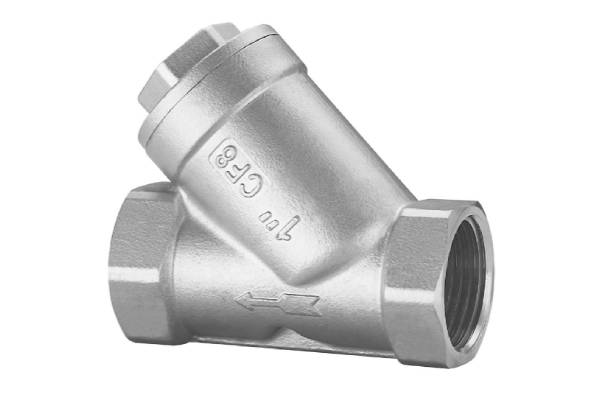
A strainer helps keep your fluid system safe. It is a tool that takes out solid pieces from a fluid. The strainer works like a guard. It catches things like sand, rust, or dirt before they hurt pumps or valves. Suzhou Kizi Valve Co., Ltd. makes strong strainers for many jobs. You can see their strainers in places like wastewater plants, steam systems, and medicine factories. These strainers help keep fluid clean and machines safe.
A strainer lets fluid move through a mesh or basket. The mesh holds back big pieces, but clean fluid goes through. For example, basket strainers use a metal basket to catch dirt. You can take out the basket and clean it. This is important because it stops solid pieces from getting to important parts. Using a strainer helps your machines last longer and work better.
You can pick from different types of strainer for your system. Each type has its own shape and job. Here is a table to show the main types:
Strainer Type | Design Description | Advantages | Applications |
|---|---|---|---|
Y-Strainers | Y-shaped design for compact installation | Effective in filtering coarse particles | Used in steam, gas, and liquid applications |
Basket Strainers | Basket-like design for large straining area | Easily removable for cleaning | Common in water treatment and chemical processing |
T-Strainers | Simple design, often temporary | Ideal for initial cleaning during commissioning | Used in start-up operations in oil & gas |
Duplex Strainers | Dual-chamber design for continuous operation | Allows uninterrupted filtration without shutdown | Used in high-flow systems like cooling water systems |
You can find these types in many places. Water plants use strainers to take out sand and grit. Medicine companies use them to keep fluids clean. Steam systems use strainers to stop dirt from hurting pipes. Suzhou Kizi Valve Co., Ltd. sells many kinds, like Y-strainers for steam, basket strainers for water, and steel thread strainers for medicine. You can always get the right strainer for your job.
A filter helps take out tiny pieces from a fluid. It keeps the fluid clean for important work. Experts say a filter is a tool that traps bad stuff using special materials. You can find filters in places like water plants, food factories, and medicine labs. Filters can work in different ways. Some use membranes, spinning, or chemicals to clean fluids. Here is a table that shows how each method works and where it is used:
Filtration Method | Description | Applications |
|---|---|---|
Membrane Filtration | Uses media to trap contaminants. | Water purification, food processing |
Centrifugal Filtration | Uses rotational force to separate heavier particles. | Industrial air and liquid purification |
Chemical Filtration | Dissolves or attracts specific contaminants. | Chemical processing, wastewater treatment |
Biological Filtration | Utilizes microbes to remove organic compounds. | Water treatment, environmental cleanup |
Gravity Filtration | Relies on gravity to filter materials. | Liquid and granular materials |
Electrodialysis | Uses charged membranes to separate ions. | Desalination, water treatment |
Reverse Osmosis | Filters out contaminants using a semi-permeable membrane. | Drinking water purification, industrial processes |
Electroionization | Removes ions from solutions using electrical charges. | Semiconductor, pharmaceutical industries |
Ultrafiltration | Separates particles based on size using membranes. | Food and beverage processing |
A filter cleans fluid by catching things you do not want. First, the fluid goes into the filter. The filter’s special material holds or pulls in the bad stuff. Clean fluid comes out the other side. When the filter gets full, the fluid moves slower. You have to clean or change the filter to keep things working right. Here are the steps for how a filter works:
Fluid goes into the filter.
The filter traps solid pieces.
Clean fluid comes out.
Pressure goes up as dirt builds up.
You clean or change the filter material.
The main job of a filter is to catch and hold bad stuff as fluid moves through. The filter uses different ways to trap pieces, like blocking, sticking, or slowing them down. You pick the right filter for your job to get the best results.
There are many kinds of filters for fluid systems. Each one is good for a special job. Here are some common types:
Suction filters keep pumps safe by cleaning fluid from tanks.
Low-pressure filters work in return lines and as breathers, handling up to 150 psi.
Tank top return line filters catch dirt in big machines.
Cartridge filters take out solids when the flow is not too fast.
Bag filters work with lots of fluid and need changing often, good for cleaning water before other filters.
Pressure leaf filters clean big amounts of thick liquid, used in oil and chemical jobs.
You pick a filter by thinking about the fluid, the size of pieces you want to remove, and how much care it needs. Filters help keep your system safe and clean.
It is important to know how strainers and filters handle particles. Strainers take out bigger pieces and debris. This helps keep equipment safe from damage. Filters remove much smaller pieces and contaminants. This makes the fluid very clean. Check this table to see the size and how well each works:
Type | Minimum Particle Size | Efficiency Description |
|---|---|---|
Strainer | 50 microns | Works best for big pieces you can see. |
Strainer | 38 microns | Can catch smaller pieces with special mesh. |
Filter | 150 microns | Used for smaller pieces, works better at this size. |
Filter | 10 microns | Removes more than 90% of pieces at this size. |
Filter | 5 microns | Very good at catching tiny pieces in the last step. |
5 µm bags can catch more than 95% of tiny pieces down to 5 µm. 10 µm bags grab over 90% of pieces at 10 µm. Strainers are best for big debris and large pieces. Filters are great for catching tiny pieces and contaminants in fluid systems.
Strainers and filters work in different ways. Strainers use a mesh or screen to catch big pieces. You clean strainers by hand and can use the screen again. Filters use sieving and depth filtration to trap tiny pieces. You must change filter media when it gets full.
Feature | Strainer | Filter |
|---|---|---|
Particle Size Removed | Takes out bigger pieces (> 75–100 microns) | Takes out tiny pieces (down to sub-micron) |
Purpose | Protects machines from big debris | Keeps fluid clean |
Pressure Drop | Does not slow fluid much | Slows fluid more when full |
Maintenance Requirements | Cleaned by hand, screen can be reused | Media must be changed when clogged |
Filtration Mechanism | Uses mesh to catch pieces | Uses sieving and depth filtration |
Strainers help keep pumps and valves safe from big debris. Filters help make fluid very clean by catching tiny pieces.
The materials used in strainers and filters change how well they work. Strainers use stainless steel, bronze, or plastic for big pieces. These materials are strong and resist damage. Filters use ceramics, fiberglass, and synthetic polymers for tiny pieces. These materials are good for catching small contaminants and stay strong in fluids.
Material Type | Application | Key Properties |
|---|---|---|
Ceramics | Fine filtration | Stays strong, pure, and resists high pressure |
Fiberglass | Fine filtration | Lasts a long time |
Synthetic polymers | Fine filtration | Very precise |
Stainless steel | Coarse filtration | Resists damage and rust |
Bronze | Coarse filtration | Handles stress well |
Plastic | Coarse filtration | Light and resists rust |
You pick materials based on the fluid, what you want to remove, and how clean you need it.
Efficiency and performance are important when picking strainers or filters. Strainers catch big pieces at the pump inlet. This keeps equipment safe and helps the system work well. Filters remove tiny contaminants at different spots in the system. Filters work better for jobs like clean water and medicine.
Device | Function | Particle Size Removal | Location in System |
|---|---|---|---|
Strainer | Catches big pieces | Large | Usually at the pump inlet |
Filter | Takes out tiny pieces | Small | In many places like return and pressure lines |
You often use both together to get the best results. Strainers take out big debris. Filters make sure the fluid is very clean.
You must take care of strainers and filters to keep things running well. Strainers need cleaning by hand and checking for damage. You wear safety gear, turn off the system, drain fluids, take apart the strainer, check for damage, clean it, rinse, put it back together, restore pressure, and write down what you did. You plan regular checks and cleaning to stop debris from building up.
Filters need regular checks, cleaning, and new filter parts. You look for clogging, check pressure, store spare parts right, and throw away used filters safely. Automatic strainers need oil and checking moving parts.
Check for damage, rust, clogging, or debris often.
Set cleaning times based on maker’s advice and how you use it.
Change filter parts and screens when needed.
Watch pressure to find clogging early.
Oil moving parts in automatic strainers.
Throw away used filter parts the right way.
You keep fluid systems working well by cleaning strainers and filters and removing debris and contaminants.
Cost matters when you pick strainers or filters. Strainers cost less to buy and keep up because you can clean and use them again. Filters cost more because you need to change filter media often and they work better. You must think about downtime, new parts, and work for maintenance.
Strainers cost less at first and are easy to care for.
Filters need money for new parts and more work.
Better filtration costs more but makes fluid cleaner and systems work better.
You balance cost, how well it cleans, and care needs to get the best results in fluid systems.
You should think about a few important things before picking a strainer or filter for your fluid system. Here is a list to help you choose:
Material and particle characteristics. You need to know what kind of particles are in your fluid. You also need to know how big the particles are. This helps you pick the right micron size for your filtration.
Maximum operating flow. The flow rate shows what size strainer or filter you need.
Minimum and maximum operating pressure. Knowing the pressure helps you pick the best filtration device.
The main difference between a strainer and a filter is the size of the particles you want to remove. You use a strainer for bigger particles you can see. You use a filter for smaller particles you cannot see.
You must pick the right filtration device for your job. Strainers are good when you need to protect equipment from big debris. Filters are better when you need clean fluid for special jobs. Look at this table to compare:
Feature | Strainer | Filter |
|---|---|---|
Particle Size | > 40 µm (coarse) | < 40 µm (fine/sub-µm) |
Purpose | Equipment protection | Fluid purification |
Pressure Drop | Low | Higher |
Maintenance | Cleaning or back-flushing | Element replacement |
Cost / Complexity | Lower | Higher |
Typical Placement | Upstream in pipeline | Downstream or final stage |
You should use a strainer if you want to block big particles and keep pumps safe. You should use a filter if you need very clean fluid. Suzhou Kizi Valve Co., Ltd. has strainer solutions for factories and wastewater jobs. Their products help you keep flow rates steady and protect your equipment.
You can see how picking the right filtration device helps in real life. Strainers protect pump systems in water treatment plants. This makes pumps last longer and break down less. Strainers also help keep air clean in HVAC systems, saving energy. In oil and gas jobs, strainers stop equipment problems and cut down outages. Chemical plants use strainers to take out bad stuff and make processes stable. Power plants use strainers to protect cooling systems and meet rules.
You make equipment work better, keep products good, and keep your fluid system safe when you pick the right strainer or filter for your job.
You can find a strainer in many places. It stops big pieces from getting into systems. This keeps machines safe from damage. Strainers are used in steam pipelines. They help heat exchangers by catching dirt. Air and gas systems use strainers to block bad stuff. Power plants put strainers near turbines and condensers. This stops blockages. Strainers are also used in water treatment and oil jobs. You see them in chemical factories and paper mills. Food factories use strainers too. Each strainer helps fluid move easily. It protects pumps and valves.
Steam service pipelines
Industrial heat exchangers
Air and natural gas applications
Power plants (around condensers and turbines)
Water treatment
Petrochemical and chemical processing
Oil and gas
Power generation
Pulp and paper
Food and beverage
You use a filter when you need clean fluid. Filters keep fluids and gases pure. They protect machines from tiny pieces. Filters help meet rules and make products better. Using filters lowers repair costs. Filters help machines last longer. Filters are found in places needing very clean fluid. Medicine labs use filters. Food factories and water plants use them too.
Maintaining fluid and gas purity
Protecting equipment from damage
Ensuring compliance with regulatory standards
Enhancing product quality
Reducing maintenance costs
Extending equipment lifespan
Tip: The right filter makes your system work better and keeps fluid clean.
You often use both a strainer and a filter together. First, a strainer catches big pieces that could hurt pumps. Then, a filter takes out smaller pieces. Both keep bad stuff out of the system. You pick the right size for each one. You clean and check them often. This keeps pressure steady and helps the system work well. Using both makes machines last longer and stops failures.
Strainer captures large particles.
Filter removes smaller particles.
Both prevent contaminants from entering the system.
Proper sizing and maintenance keep pressure steady.
Using both extends equipment lifespan and reduces failures.
You now understand how strainers and filters are not the same. Look at this table to remember the main points:
Feature | Strainer | Filter |
|---|---|---|
Particle Size | Removes larger particles | Removes fine particles |
Purpose | Protects equipment | Ensures process cleanliness |
Pressure Drop | Low | Noticeable |
Reusability | Cleanable and reusable | Some need replacement |
Applications | Pump lines, cooling towers | Food, pharma, hydraulics |
Strainers stop big pieces and keep fluid moving well. - Filters grab small particles so the fluid is cleaner. - What you pick changes how well your system works and how much work it needs.
Choose good products to protect your machines and save money. Always pick what fits your job and what your industry needs.
You use a strainer to catch large debris before it enters your equipment. This helps protect pumps and valves from damage. Strainers work best when you want to remove big particles quickly.
You should pick a filter when you need to remove very small particles from your fluid. Filters help you achieve high purity. You often use them in jobs like water treatment or medicine production.
Yes, you can use both together. The strainer catches large debris first. The filter then removes smaller particles. This setup helps you keep your pipeline clean and your equipment safe.
You should check strainers and filters regularly. Clean strainers when you see a drop in flow. Replace filters when they become clogged or after a set time. Regular care keeps your system working well.


