


Views: 0 Author: Site Editor Publish Time: 2026-03-23 Origin: Site


A check valve is used to ensure fluids flow in only one direction. This essential device prevents water or gas from flowing backward, protecting pipes and equipment from potential damage. Many industries rely on check valves to stop backflow and comply with safety regulations, which also helps prevent contamination. Hospitals, food processing plants, and smart cities all require reliable check valve systems to manage risks and maintain safe operations. Suzhou Kizi Valve Co., Ltd. manufactures durable and innovative check valves specifically designed for these critical applications. The global market for check valve-based backflow prevention continues to expand:
Year | Market Value (in Billion $) | CAGR (%) |
|---|---|---|
2024 | 4.7 | 5.9 |
2030 | 7.1 | 5.9 |
Check valves let fluid move in only one way. They stop fluid from going backward and keep equipment safe from harm. - Picking the right check valve and material is very important for safety and how well the system works. You should think about things like pressure and what kind of fluid you have. - It is important to install the valve the right way. Make sure the valve faces the correct direction and has enough room to work without anything blocking it. - Checking the valve often helps find problems early. This makes sure the check valve works well and lasts longer. - Using check valves keeps fluids clean, lowers repair costs, and makes the whole system work better.
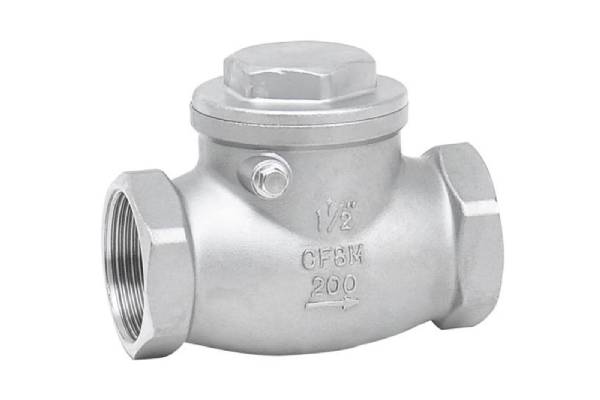
You see check valves in many places where fluids move. A check valve works like a one-way door for liquids or gases. It lets fluid go forward but stops it from going backward. Engineers also call this device a non-return valve. You find check valves in water pipes, gas lines, and machines. International engineering groups say a check valve is a device that lets fluid flow one way and blocks it from going the other way. The standard industry meaning is shown in the table below:
Term | Definition |
|---|---|
Check Valve | A device put in a fluid system to stop backflow. It protects pumps from damage caused by reverse pressure. It is usually placed between a pump's discharge flange and its discharge isolation valve. |
Check Valve | A mechanical device that lets fluid flow in one direction and stops it from going the other way. |
Suzhou Kizi Valve Co., Ltd. makes check valves that prevent backflow automatically and reliably. You can trust their products to keep your system safe. Their check valve types include swing, lift, ball, double plate, and nozzle. Each check valve uses strong seals and tough materials for long-lasting use.
You depend on check valves to keep fluid systems safe and working well. The main job of a check valve is to stop backflow. Backflow can make pumps and compressors run backward, which can cause them to break. It can also mix fluids or dirty clean water, especially in water treatment plants. You need check valves to protect equipment and keep processes safe.
The functions of a check valve are:
Stopping backflow, which can harm equipment.
Keeping fluid moving in the right direction.
Preventing safety problems by stopping backflow.
Keeping pressure steady in fluid systems.
You can see more about what check valves do in the table below:
Function | Description |
|---|---|
Equipment Protection | Stops reverse flow that can hurt pumps, compressors, and other important equipment. |
Process Integrity | Keeps processes safe by making sure fluid flows the right way. |
Safety | Helps prevent equipment failure or safety issues by stopping backflow. |
Pressure Stabilization | Keeps pressure steady in systems and stops surges from changes in flow direction. |
You find check valves in many industries. Chemical plants use check valves in cooling systems to keep hot water from going back into cold water tanks. Water control and wastewater systems use check valves to stop backflow in clean water and waste removal. HVAC systems use check valves in coolant lines to help tall buildings work well. Lift stations use check valves to stop vacuum-locking in pump systems. Aerospace and aircraft makers use check valves to handle strong vibrations and harsh fluids.
Suzhou Kizi Valve Co., Ltd. makes check valves for these industries. Their products use high-quality materials like carbon steel, stainless steel, and special alloys. You get strong seals and spring-assisted closure, which help stop leaks and water hammer. You can rely on their check valves for automatic protection and steady performance.
Tip: Always pick a check valve that fits your system. You keep your equipment safe and make sure everything works well when you choose the right check valve.
You use a check valve to let fluid move one way. The device works by itself. When fluid goes forward, the valve opens. If fluid tries to go backward, the valve shuts. This keeps your system safe from backflow.
Check valves use pressure to work. When the inlet pressure is higher, the valve opens. If the pressure switches, the valve closes and stops flow. You can see how this works in the table below:
Mechanism Description | Explanation |
|---|---|
Pressure Differential | The valve opens when fluid pressure in the right direction is strong enough, letting fluid pass. |
Backflow Prevention | The valve shuts when pressure changes, stopping backflow and making sure fluid only moves one way. |
Ball Mechanism | A ball sits above the seat; when pressure behind the seat is greater than above the ball, it opens, and when pressure changes, the ball seals the valve. |
Check valves come in many shapes. Each shape uses the same idea: let fluid go forward and stop it from going backward. For example, a one-way check valve uses a disc, ball, or plate that moves with the flow. When flow stops or goes backward, the part moves back to its seat and closes the passage.
Check valves are safety valves that let fluid move one way.
They stay closed until fluid pressure opens them.
They stop backflow and protect pumps.
You need to know the main parts of a check valve to understand how it works. Each part has a special job. The table below shows the main parts and what they do:
Component | Contribution to Operation |
|---|---|
Valve Body and Seat | Holds everything together and connects pipes; handles system pressure; keeps flow smooth; the seat stops leaks from reverse flow. |
Disk or Poppet | Moves to open or close the valve; design changes by valve type (like disk, ball, poppet, or membrane). |
Spring Mechanism | (In some valves) Helps the valve close fast when flow stops or goes backward; keeps the seal tight when flow is low or gone; stops reverse flow and water hammer; needs to be strong and not rust. |
The valve body keeps all parts in place. The seat makes a tight seal to stop leaks. The disk, ball, or poppet moves to open or close the valve. Some check valves use a spring to help close the valve quickly and tightly. The spring also helps stop water hammer, which is a sudden pressure change that can hurt pipes.
Suzhou Kizi Valve Co., Ltd. uses smart sealing and spring closures in their check valves. These features help stop leaks, make valves last longer, and keep things running smoothly. You can use these valves in low or high-pressure systems. The strong seals and good designs keep fluid flow safe and steady.
Benefit | Description |
|---|---|
Improved internal leakage | Less fluid leaks inside, so performance is better. |
Prevents seat damage | Keeps the valve seat safe from wear, so it lasts longer. |
Low cracking pressure | Works in low-pressure systems without losing the seal. |
Maintains sealing stress | Keeps the seal strong even if downstream pressure changes. |
You want your check valve to work well and last long. You must install it the right way. Many problems happen because of mistakes during installation. Here are some common issues and ways to avoid them:
Ignoring Straight-Run Clearance: Always leave at least 10 pipe diameters of straight pipe before the valve and 5 after. This stops turbulence that can make the valve fail.
Mounting in the Wrong Orientation: Look for the flow direction arrow on the valve. Install the valve so the arrow matches the fluid flow in your pipes.
Using the Wrong Valve Type for the Application: Choose the right check valve for your system’s pressure, temperature, and fluid.
Poor Piping Alignment and Support: Make sure pipes are straight and supported. This keeps stress off the valve body.
Incorrect Thread Sealing and Joint Preparation: Use Teflon tape or sealant the right way. Do not use too much, or you may cause leaks.
Good installation is important. If you put the valve in the wrong way, it will not work. The valve may wear out faster or break. Always follow the instructions from the manufacturer. Tighten connections, but do not overtighten. Test your system after installing to make sure the valve opens and closes right.
Suzhou Kizi Valve Co., Ltd. makes check valves that are easy to install and work well. Their valves have clear marks for flow direction. The smart sealing and spring closure help stop water hammer and lower maintenance. You get a check valve that keeps your system safe and fluid flow steady.
Tip: Always check pipe direction and support before starting your system. This easy step can save you time and money.
You can find differenttypes of check valves in fluid systems. Each type works in its own way and is good for certain jobs. The table below shows how the most common types work:
Type of Check Valve | Functionality |
|---|---|
Swing Check Valve | Hinged disc swings open with forward flow and closes when flow reverses. |
Lift Check Valve | Disc or piston lifts up with flow and drops back to seal when flow stops. |
Ball Check Valve | Spherical ball lifts off its seat with flow and settles back to block return. |
Double Plate/Nozzle Check Valve | Plates or discs pivot open with flow and close quickly to prevent backflow. |
People use swing check valves in water plants, chemical factories, and oil pipes. The disc opens when fluid moves forward. It closes if the flow goes backward. This design lets fluid move easily and quickly. Swing check valves are good for stopping backflow and need little care. They help keep your equipment safe and your process running well.
Typical uses:
Water treatment plants
Chemical factories
Power plants
Oil and gas pipes
Food and drink factories
Advantages:
Simple hinge part
Works well under high pressure
Needs little care
Lift check valves have a disc or piston that goes up when fluid moves forward. When the flow stops, the disc drops down and seals the valve. You see these valves in pipes that go sideways. They seal tightly but slow the flow more than swing check valves. You should check for dirt, because it can block the disc. These valves need some care, but they work well with clean fluids.
Ball check valves use a round ball that moves up when fluid flows. The ball drops down and seals the seat when flow stops. This type has a simple design with few parts. Ball check valves are great for dirty water and thick fluids because they do not clog. They close fast, which helps stop water hammer. You can use them in many places because they come in many sizes and materials.
Feature | Benefit |
|---|---|
Simple design | Easy to take care of |
Handles thick fluids | Good for dirty water and slurries |
Quick response | Stops water hammer |
Double plate and nozzle check valves use two plates or a disc that opens with flow. They close fast when the flow stops. These valves are small and fit in big pipes. They help lower pressure loss and stop water hammer. You can put them in many positions, so they work in lots of systems.
Key features:
Light and small
Low resistance to fluid
Spring helps close the valve
Good for big pipes
Suzhou Kizi Valve Co., Ltd. makes all these check valve types. You can pick from many materials like carbon steel, stainless steel, and special alloys. The right material helps stop rust, lasts longer, and works better. If you choose the best check valve material, your system will last longer and stay safe.
Tip: Always pick the right types of check valves and materials for your system. This helps you get the best results.
You see check valves in many places every day. These devices help you keep water, air, and other fluids moving safely. Here are some common check valve applications:
Plumbing systems in homes and buildings stop dirty water from flowing backward.
Water treatment plants use check valves to control flow and keep treated water clean.
Oil and gas companies protect their equipment by stopping reverse flow.
HVAC systems use check valves to keep hot or cold water moving in the right direction.
Pneumatic systems let air move one way for machines and tools.
Hydraulic systems control the flow of oil in heavy equipment.
Fire protection systems make sure water or chemicals flow only toward the fire.
Cars and trucks use check valves to keep fluids moving in engines and brakes.
Boats and ships use check valves to control fuel and water.
Factories use check valves to keep fluids moving the right way in their machines.
Suzhou Kizi Valve Co., Ltd. makes check valves that work well in all these places. You can trust their products to last a long time, even in tough jobs.
Note: You help keep your water clean and your machines safe when you use check valves in the right way.
You get many benefits when you use check valves in your systems. These valves do more than just prevent backflow. They protect your equipment and help everything run smoothly.
You stop backflow, which keeps your water and other fluids clean.
You protect pumps, pipes, and machines from damage caused by reverse flow.
You keep pressure steady, so your system works better and lasts longer.
You save energy and money because check valves do not need extra parts to work.
You lower the risk of water hammer, which can break pipes.
You make it safer to fix or clean your system because check valves can block off parts of the pipes.
Check valves are very important in municipal water systems. They stop dirty water from mixing with clean water. Many cities use two check valves in a row for extra safety. This setup helps prevent contamination and keeps your water supply safe.
Suzhou Kizi Valve Co., Ltd. builds check valves with strong seals and smart designs. You can count on their products to work well in HVAC, chemical plants, oil and gas, and many other places. Their check valves help you prevent problems and keep your system running without trouble.
Tip: Regular checks and good installation help your check valves last longer and work better.
When you choose a check valve, you need to think about several important factors. Picking the right valve helps your system work safely and last longer. Here are the main things you should consider:
Material Compatibility: Make sure the valve material matches the fluid. This prevents rust and damage.
Hygienic Design: If you work with food or medicine, choose a valve that is easy to clean and keeps fluids pure.
Industry Standards: Some jobs need valves that meet special rules, like FDA standards for clean water.
Operating Conditions: Check the pressure, temperature, and flow rate in your system. The valve must handle these conditions.
Valve Size and Connection: Pick a valve that fits your pipes and matches the flow you need.
Performance Needs: Think about how fast the valve opens, how much pressure it needs to start working, and if it stops backflow quickly.
Maintenance: Choose a valve that is easy to check and fix.
Cost: Balance the price of the valve with how long it will last and how much it will cost to keep it working.
The right material and size help your valve handle tough jobs, like high pressure or strong chemicals. This keeps your system safe and running well.
You want your check valve to work well for a long time. Good installation and regular care make a big difference.
Best Practice | Description |
|---|---|
Correct Orientation of the Valve | Install the valve in the direction shown by the arrow on its body. This stops backflow. |
Avoiding Pressure Shock | Place the valve where it will not get hit by sudden pressure changes. This protects the valve. |
Installation Space | Leave enough room around the valve so it can open and close without anything blocking it. |
Test After Installation | Check for leaks and make sure the valve works before you start using the system. |
You should also follow these maintenance tips:
Set up a regular schedule to check your valves. This helps you find problems early.
Keep a logbook for each valve. Write down when you check it and what you find.
Look and listen for leaks or strange sounds. These can be signs of trouble.
Think about the whole system when you check your valves. Sometimes, problems come from other parts.
In tough jobs, check inside the valve more often—every few months if needed.
Suzhou Kizi Valve Co., Ltd. gives you strong support. Their team helps you solve problems fast and can adapt valves for special needs. You get answers within 24 hours and solutions within three days, so your system stays safe and reliable.
You now know that check valves let fluid move only one way. They help keep your equipment safe from harm. Picking the right type and putting it in the right way keeps your system safe and working well. Good check valves give you many lasting benefits:
Stop backflow and keep fluids clean
Cut down on repairs and fixing
Make equipment last longer
Help you spend less to run things
Use less energy
Lower noise and stop water hammer
Suzhou Kizi Valve Co., Ltd. is a trusted maker of check valves. They pick strong materials and check quality at every step. This makes their products steady and tough:
Feature | Description |
|---|---|
Raw Material Sourcing | Gets materials from good suppliers and checks them many times |
Quality Control Team | Has skilled workers and modern testing tools |
Product Assurance | Gives you steady and affordable ways to control fluids |
When you buy good check valves, you keep your system safe and save money.
You use a check valve to stop fluid from flowing backward. This helps protect your equipment and keeps your system safe. You find check valves in water, gas, and chemical systems.
You should look at your system’s pressure, temperature, and fluid type. Pick a valve that matches these needs. Suzhou Kizi Valve Co., Ltd. offers many options for different jobs.
Always follow the arrow on the valve body. You must install the valve in the direction of fluid flow. If you install it backward, the valve will not work.
You should inspect your check valve every few months. Look for leaks, strange sounds, or slow flow. Regular checks help you find problems early and keep your system running well.
Fluid Type | Recommended Material |
|---|---|
Water | Stainless steel, brass |
Chemicals | Specialty alloys |
Oil and Gas | Carbon steel, alloys |
You should choose a material that resists rust and matches your fluid.


