


Views: 0 Author: Site Editor Publish Time: 2026-07-15 Origin: Site


Operating a high-pressure steam boiler system reveals a harsh industrial reality. Latent heat loss and fugitive emissions constantly threaten process efficiency. Traditional gland packing valves exacerbate this problem through inevitable mechanical wear and heavy ongoing maintenance burdens. Plant engineers face continuous tightening cycles just to keep volatile steam contained. We need a definitive solution for zero-leakage requirements in rigorous thermal fluid applications.
The bellows globe valve provides exactly this hermetic containment. It effectively seals the stem leak path, offering exceptional reliability for critical steam distribution. This article outlines a verifiable framework for evaluating, specifying, and maintaining these specialized components. You will learn how to match temperature thresholds, select proper construction materials, and implement structured lifecycle monitoring to guarantee operational compliance and eliminate energy waste.
Zero-Leakage Assurance: Bellows seals eliminate the stem leak path, directly reducing steam loss and mitigating fugitive emission compliance risks.
Thermal Resilience: Proper specification requires aligning temperature thresholds with material selection, particularly utilizing a stainless bellows globe valve for corrosive or extreme-temperature steam.
TCO vs. Initial Cost: While upfront costs are higher than standard standard globe valves, ROI is typically achieved through eliminated repacking labor, prevented energy loss, and extended MTBF (Mean Time Between Failures).
Maintenance Reality: "Maintenance-free" stem sealing does not mean zero-inspection; structured lifecycle monitoring is required to prevent catastrophic bellows fatigue.
Standard gland packing relies on physical compression to trap system media. Graphite or PTFE materials surround the moving valve stem tightly. As operators open and close the equipment, stem friction slowly wears down these sealing rings. Thermal cycling accelerates this severe degradation. Boiler systems heat up and cool down rapidly during operational shifts. These severe temperature fluctuations cause internal metals to expand and contract. Over time, traditional packing loses its tight seal. Maintenance teams must continuously tighten the packing gland bolts. Eventually, no amount of tightening works. High-pressure steam begins leaking directly into the atmosphere.
The bellows solution completely transforms this containment dynamic. A metallic bellows functions as a compressible, corrugated barrier tube. Manufacturers weld its lower end solidly to the internal valve stem. They weld the upper end securely to the bonnet assembly. This specialized construction creates an absolute hermetic seal. It forms a highly durable physical barrier between the system media and the outside environment. Steam cannot escape past the moving stem under any normal operating condition.
When measuring operational success, plant managers must focus on lifecycle durability and energy conservation. Steam leaks waste massive amounts of expensive boiler fuel. They also create hazardous, wet working environments for facility personnel. Standard packing designs require frequent, labor-intensive replacements. Facility maintenance teams spend countless hours repackaging conventional valves across large piping networks. A bellows seal design dramatically extends the Mean Time Between Failures (MTBF). Furthermore, strict OSHA and EPA regulations govern modern fugitive emissions. Industrial facilities must meet stringent environmental air quality standards. Zero-leakage valve designs keep your plant fully compliant. They prevent costly regulatory fines while ensuring operators work in a safe, dry environment.
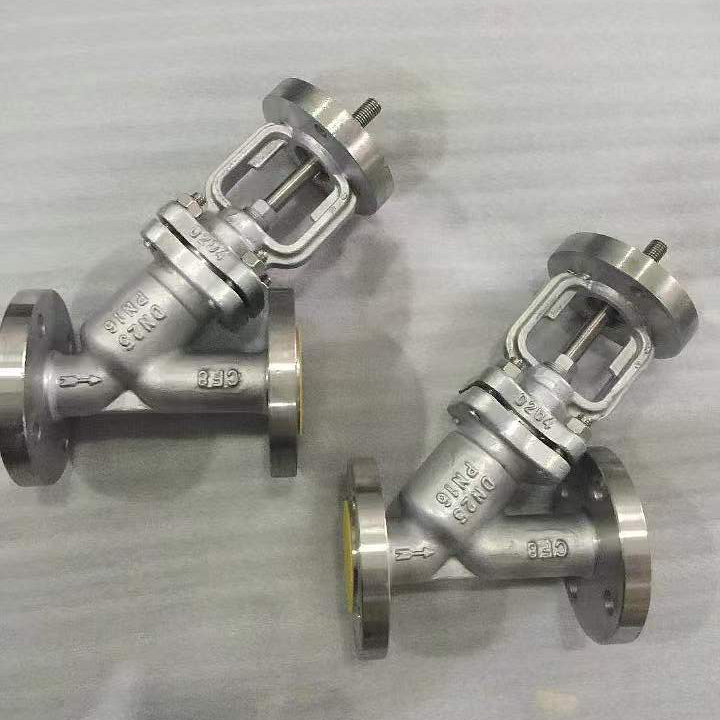
Engineers must evaluate the primary metallic bellows element carefully before specification. Manufacturers typically utilize two distinct formation methods. Hydroformed bellows push a single thin-walled metal tube into corrugated shapes using extreme internal water pressure. Edge-welded bellows join dozens of individual metal washers together using precise micro-welds. Hydroformed designs preserve the natural metal grain structure. They resist sudden pressure spikes exceptionally well. Conversely, edge-welded designs provide greater stroke flexibility. They compress and expand more easily during operation. High-quality industrial bellows often guarantee over 10,000 continuous mechanical cycles.
You should always verify the secondary sealing mechanism. Top-tier valve designs include traditional backup graphite stem packing. We consider this a mandatory industrial fail-safe. If the primary metallic bellows ever ruptures due to fatigue, this secondary packing activates immediately. It prevents sudden, catastrophic steam releases into the plant. This backup feature protects personnel during emergency system shutdowns and provides a vital visual warning of internal failure.
Operating temperature limits heavily dictate your final material selection. Cast carbon steel suits most standard, low-pressure steam applications perfectly. However, extreme fluid environments demand immediate metallurgical upgrades. You should specify a stainless bellows globe valve when managing highly corrosive condensate return lines. Stainless steel also excels when operational steam temperatures exceed 400°C (750°F). It naturally prevents rapid high-temperature oxidation.
Hardened trim materials remain non-negotiable for throttling applications. High-pressure steam moves at extreme velocities through restricted piping. When you partially open the valve plug, steam violently squeezes through a tiny internal gap. This physical action causes destructive wire-drawing and rapid cavitation. Standard steel seats will erode quickly under these conditions. Stellite-faced seating uses a tough cobalt-chromium alloy to resist severe erosion. It guarantees long-term shutoff integrity across thousands of cycles.
Application fit determines long-term mechanical reliability. Engineers primarily deploy these specific valves for either isolation or throttling duties. They excel at regulating precise flow volumes. However, continuous rapid cycling causes inevitable metal fatigue. You must accurately calculate the expected bellows fatigue life if the system throttles constantly. For simple on/off isolation, the bellows will easily outlast the surrounding piping infrastructure.
Pressure-Temperature (P-T) ratings require strict adherence to recognized industry standards. Always verify your chosen steam boiler globe valve against ASME B16.34 or API 602 testing protocols. Match the exact flange class perfectly to your boiler's maximum design pressure. Common heavy-duty classes include 150#, 300#, and 600#. Never exceed the specified temperature limits for a given pressure class, as metals weaken exponentially at higher thermal ranges.
Flow characteristics heavily influence your overall system design. These valve types inherently create significant pressure drops ($\Delta P$). Fluid must change physical direction multiple times inside the S-shaped body. Engineers must account for this natural flow restriction early. You should calculate the expected pressure loss carefully. Size your boiler feed pumps and distribution lines accordingly. Upsizing the valve body sometimes mitigates excessive pressure drops effectively.
Characteristic | Gate Valve | Globe Valve |
|---|---|---|
Primary Function | Strictly On/Off Isolation | Flow Regulation and Throttling |
Pressure Drop ($\Delta P$) | Very Low (Straight flow) | High (Directional changes) |
Wear Resistance | Poor under throttling | Excellent with Stellite trim |
Closure Speed | Slow | Relatively Fast |
Installation orientation rigidly dictates system performance. Installers must verify the correct internal flow direction before welding or bolting. Usually, basic isolation applications require fluid flow entering under the plug. Specific high-pressure throttling scenarios might necessitate fluid entering over the plug to aid sealing. Correct external stem orientation prevents dangerous condensate pooling. You should install the stem vertically pointing upward whenever possible. Horizontal stem installations allow liquid water to settle inside the lower bellows convolutions. This trapped pooled water accelerates localized chemical corrosion.
Water hammer remains a critical mechanical vulnerability. The extremely thin-walled metallic bellows cannot withstand sudden, massive pressure spikes. Fast-moving heavy water slugs act exactly like a physical hammer blow. They will crush, twist, or immediately rupture the delicate metal convolutions. Strict system trapping protocols prevent this catastrophic damage. You must install adequate steam traps upstream of the valve. Implement slow, controlled warm-up procedures during initial boiler startup.
Particulates and scaling introduce significant premature failure risks. Poor-quality industrial steam carries rust, weld slag, dirt, and chemical scale. These rigid debris particles easily lodge deep inside the tight bellows folds. When the operator actuates the handwheel, the bellows compresses tightly together. The trapped hard debris instantly punctures the thin metal walls. We highly recommend installing comprehensive Y-strainers upstream. Quality strainers catch dangerous particulates long before they reach the sensitive sealing elements.
Best Practice: Always insulate the valve body to maintain steam quality, but leave the packing gland exposed for visual inspection.
Best Practice: Stroke the valve fully open and closed once a month to prevent internal scaling buildup on the plug.
Common Mistake: Using a pipe wrench on the handwheel to force closure. This bends the stem and permanently twists the bellows.
Common Mistake: Ignoring minor hissing sounds. Hissing indicates a ruptured primary bellows and an active reliance on the backup packing.
Structured standard operating procedures ensure long-term mechanical reliability. While the primary seal requires no adjustment, the surrounding assembly demands routine care. Use this structured maintenance checklist to monitor lifecycle health.
Verify piping alignment: Misaligned pipes transfer severe mechanical bending stress directly onto the rigid valve body. Ensure pipe supports carry the infrastructure weight.
Confirm line flushing: Flush the entire piping network completely prior to initial valve actuation. This critical step protects the delicate bellows from migrating construction debris and sharp weld slag.
Check handwheel torque: Document the baseline torque required to turn the handwheel. Future increases indicate internal wear.
Inspect the secondary gland: Check carefully for visual or audible signs of leaking steam at the secondary packing gland. Any leakage here definitively indicates a primary bellows failure.
Monitor actuation feel: Actuate the valve slightly. Sudden mechanical stiffness indicates internal hard scaling or severe stem thread wear.
Verify trap operation: Check all adjacent steam traps. Flooded lines will eventually cause destructive water hammer against the plug.
Lubricate exterior threads: Apply high-temperature anti-seize grease to the exposed upper stem threads and yoke nut. This remains the only routine physical lubrication required.
Conduct non-destructive testing: Utilize thermal imaging cameras or ultrasonic acoustic diagnostic pens. These tools easily verify internal seat leakage, identifying if the plug passes invisible steam when fully closed.
Retorque bonnet bolts: Check the main body-to-bonnet flange bolts. Ensure they meet manufacturer torque specifications to prevent gasket blowouts.
Identify the rupture: If steam escapes the upper gland, the internal bellows has failed.
Engage backup containment: Tighten the secondary graphite packing gland nuts evenly. This action isolates the atmospheric leak temporarily.
Schedule replacement: The valve now functions as a standard packed globe valve. Plan a controlled system outage to install a completely new bonnet and bellows internal assembly kit.
Task Type | Action Required | Frequency | Target Outcome |
|---|---|---|---|
Visual Inspection | Check packing gland for steam vapor | Quarterly | Early detection of bellows rupture |
Mechanical | Lubricate upper stem threads | Annually | Prevent handwheel binding |
Diagnostic | Ultrasonic testing on closed seat | Annually | Identify internal wire-drawing |
System | Clean upstream Y-strainer screens | Bi-Annually | Prevent particulate puncture |
Specifying a bellows seal design represents a vital operational investment in broader plant safety, sustained energy efficiency, and drastically reduced unplanned downtime. By effectively eliminating the traditional stem leak path, facilities stop wasting expensive boiler fuel and instantly resolve fugitive emission compliance challenges. Successful implementation requires careful attention to material selection, proper flow orientation, and rigorous upstream debris management.
Before moving to procurement, facility managers should mandate comprehensive documentation. Always advise your purchasing team to request verified lifecycle cycle-test data, exact Material Test Reports (MTRs), and clear warranty terms from prospective manufacturers. This documentation guarantees the hardware matches your precise thermal demands.
Take proactive control of your steam infrastructure today. Contact your dedicated engineering team for custom sizing evaluations, advanced fluid compatibility reviews, or to request a highly technical quote tailored perfectly to your specific boiler operating parameters.
A: High-quality valves typically deliver between 5,000 and 10,000 mechanical cycles before fatigue occurs. Actual operational lifespan depends heavily on cycle frequency, steam purity, and water hammer prevention. In steady isolation applications, they often operate flawlessly for over a decade. Continuous rapid throttling will shorten this duration significantly.
A: You cannot patch or weld a ruptured individual metallic bellows. However, the valve remains highly repairable. Maintenance teams can easily swap the entire internal assembly. Manufacturers provide convenient replacement kits containing a new bonnet, welded bellows, and stem assembly, leaving the heavy valve body securely welded inline.
A: Stainless steel provides vastly superior corrosion resistance in aggressive wet steam environments and aggressive condensate return lines. It also delivers exceptional structural integrity under extreme thermal stress, easily handling continuous operating temperatures exceeding 400°C (750°F) where standard carbon steel would rapidly oxidize and fail.
