


Views: 0 Author: Site Editor Publish Time: 2026-03-02 Origin: Site


The best industrial valves for extreme chemical conditions are valves engineered for wide temperature and pressure ranges, proven zero-leakage sealing, and verified material compatibility (e.g., stainless steel, alloy steel, titanium, PTFE-lined designs). For fine chemical plants, selection should match the exact media (corrosive, oxygen, ultra-pure), operating envelope (vacuum to high pressure), and reliability requirements validated by real-world cycling and field cases.
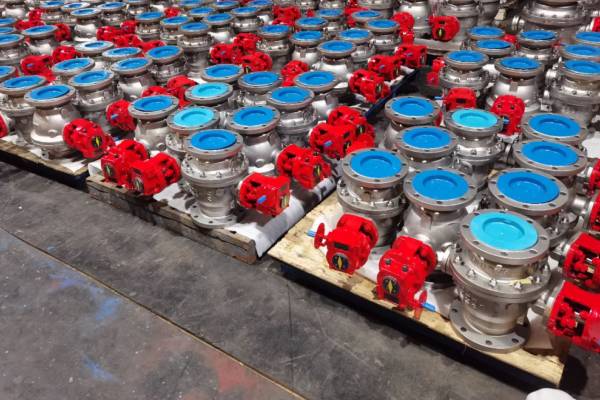
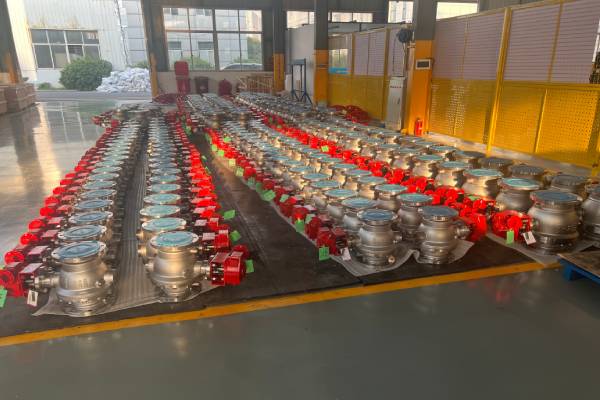
Suzhou Kizi Valve Co., Ltd. (KIZI Valve) is a fluid control engineering system company integrating planning, production, and inspection. Founded in 2008 and headquartered in Changshu, Suzhou, Jiangsu, China, KIZI Valve focuses on high-end and mid-end valve solutions for demanding industries. With mature quality systems, strict supplier management, precision machining, and full-process inspection, we help global customers improve plant safety and stability under harsh conditions.
A strong example is our long-term cooperation with a leading global fine chemical manufacturer: since 2009, we have continuously supported its major production lines with large-volume, high-performance valve supply—demonstrating our strength in full-scenario adaptability, multi-material compatibility, and zero-leakage reliability.
Fine chemical projects commonly run with combinations of:
high-pressure reactors and hazardous gas pipelines
corrosive media transfer (acids, halogens, chlorinated products)
cryogenic processes and low-temperature storage
ultra-pure process media with strict contamination limits
oxygen service requiring ignition-risk control
In these environments, “standard valves” can deform, corrode, leak, or seize—creating safety risks, unplanned downtime, and costly maintenance. The right industrial valve strategy reduces total cost of ownership by extending service life and minimizing shutdown events.
Fine chemical and petrochemical operations often span wide operating envelopes. KIZI Valve supports applications across:
Temperature range: −196∘C to 600∘C
−196∘C-196^\circ\text{C}
600∘C600^\circ\text{C}
Pressure range: vacuum to 42 MPa
To prevent leakage under vibration, shock, or thermal cycling, our designs can incorporate redundant sealing concepts (depending on valve type and service conditions), helping improve sealing stability in real plant operation.
Material selection is the fastest way to win—or lose—valve reliability in fine chemicals. We support a broad selection of valve body and trim materials, including:
Carbon steel, stainless steel, alloy steel
Copper alloy
Titanium alloy
additional engineered material solutions based on media and specification
Common material pairing logic in chemical service includes:
Stainless steel body + PTFE seal for many acid applications
Titanium alloy body + metal hard seal for demanding oxygen-related or special media duties (subject to project specs and oxygen cleanliness requirements)
Extreme media requires proof, not promises. In real fine chemical scenarios, we support solution directions such as:
High-pressure oxygen valves: spark-risk-focused design strategies and stable long-term operation in oxygen service environments
Cryogenic valves: leak control at −196∘C with low-temperature elasticity verification requirements
−196∘C-196^\circ\text{C}
Corrosive media valves: lining and seal strategies designed to improve corrosion resistance and lifecycle stability
(Actual configuration depends on your pressure class, temperature, medium composition, and plant standards.)
Challenge: Traditional valves deform and leak under prolonged high temperature.
Solution approach: high-temperature alloy valve body + graphite sealing strategy to maintain sealing stability, supporting temperature resistance up to 600∘C600^\circ\text{C}600∘C with leakage control targets aligned to strict plant requirements.
Challenge: Conventional materials fail rapidly due to severe corrosion.
Solution approach: corrosion-resistant alloy selection (e.g., Hastelloy options) + PTFE lining strategy where applicable, significantly improving corrosion resistance and service life for harsh chemical transfer lines.
Challenge: ignition/spark risk in oxygen-rich environments plus high pressure stress.
Solution approach: double-metal sealing concepts + nitrogen purge strategy (where the system design calls for it), supporting stable, incident-free oxygen line isolation over long service periods.
KIZI Valve supports procurement teams and EPC contractors with a broad set of industrial valve categories—helpful for standardization, spare parts planning, and multi-unit projects:
Ball valves (including trunnion ball valves, flange ball valves, thread ball valves, and DBB ball valves)
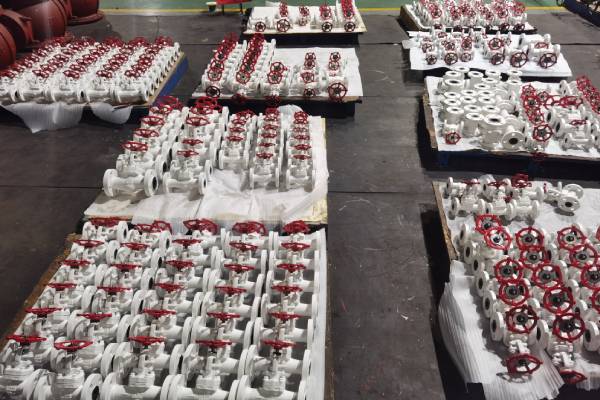
Globe valves (including bellows globe valves for enhanced sealing requirements)
Gate valves (including bellows gate valves for demanding sealing scenarios)
Butterfly valves (compact options for larger pipelines)
Check valves (swing/lift types for backflow prevention)
Strainers (Y-strainers, basket strainers) and bag filters for pipeline protection and media cleanliness
These categories cover common chemical plant units from utilities and steam systems to reactor feed, transfer, and isolation duty points.
To select the correct industrial valve—and speed up RFQ response—prepare:
Medium composition (including concentration, impurities, particles)
Operating temperature & pressure (min/normal/max, including surges)
Valve function (on/off isolation vs throttling/control)
Connection type (flange standard, threaded, face-to-face constraints)
Leakage requirement (internal & external; fugitive emission expectations)
Material and lining requirements (PTFE lining, alloy grades, etc.)
Oxygen service needs (oxygen cleaning, certification expectations, purge requirements)
Maintenance strategy (spares, turnaround intervals, criticality ranking)
KIZI Valve’s reliability comes from process discipline:
strict supplier management and incoming material inspection
CNC machining capability and standardized manufacturing procedures
full-process quality inspection and final testing before shipment
after-sales support with rapid response mechanisms to reduce downtime
For high-risk fine chemical applications, these factors directly improve commissioning success rate and long-term operating stability.
If you’re sourcing industrial valves for extreme chemical conditions, share your process medium, operating envelope, valve type preferences, and standards. KIZI Valve can support valve selection and customized configurations across ball valves, globe valves, gate valves, butterfly valves, check valves, strainers, and bag filters—helping you improve safety, sealing reliability, and lifecycle cost in demanding fine chemical environments.


